Why this approach
You don't need a chronic condition to benefit from this style of eating. The same principles that help control diabetes and lower blood pressure also build steady energy, support a healthy weight, and reduce the long-term risk of metabolic disease. Think of it as the baseline a thoughtful adult would want to default to.
Core principles
- Eat real foodIf the ingredient list runs more than five items, treat it as occasional.
- Protein at every mealThe foundation of satiety and muscle.
- Whole-food fats freelyOlive oil, ghee, avocado, nuts. No industrial seed oils, no deep-fried.
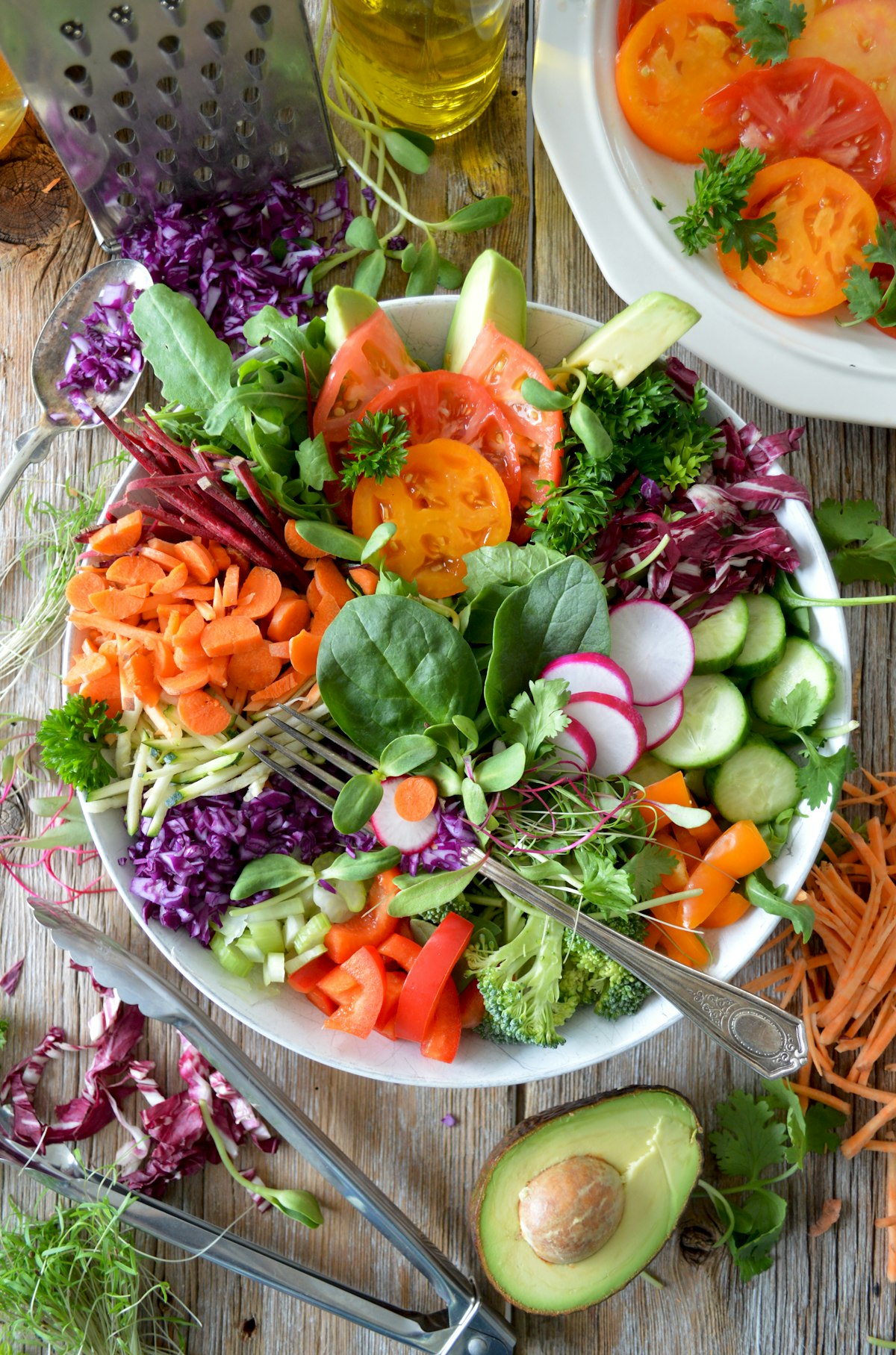
- Vegetables are the volumeHalf the plate, every meal — mostly leaves and crucifers.
- Sugar is occasionalNot daily. Same with most fruit. Steady blood sugar = steady energy.
Foods to enjoy
-
Proteins
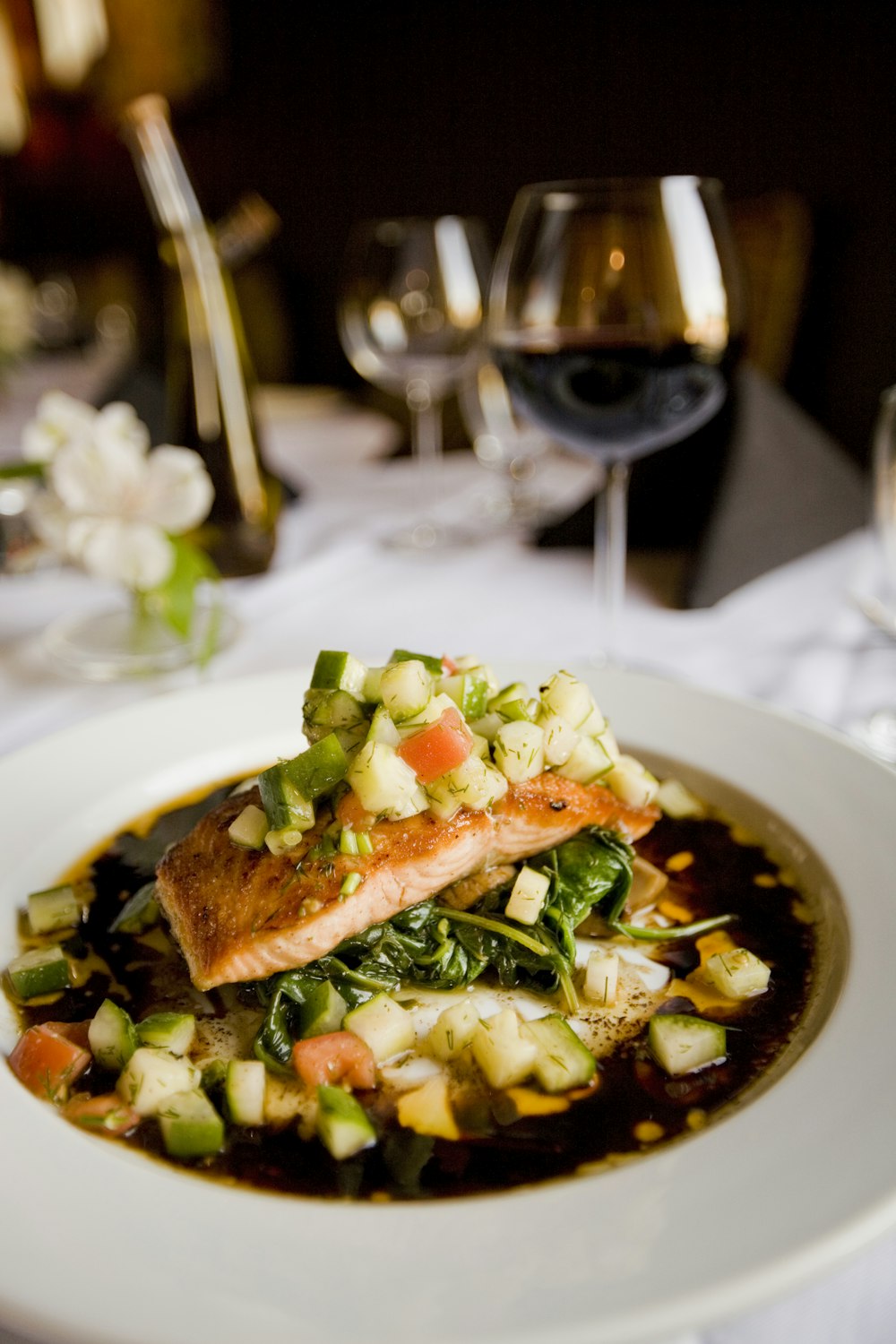
Eggs, fish, chicken, lean meat, tofu, paneer, Greek yogurt, lentils (small portions).
-
Healthy fats
Olive oil, ghee in moderation, avocado, nuts, seeds.
-
Low-GI vegetables
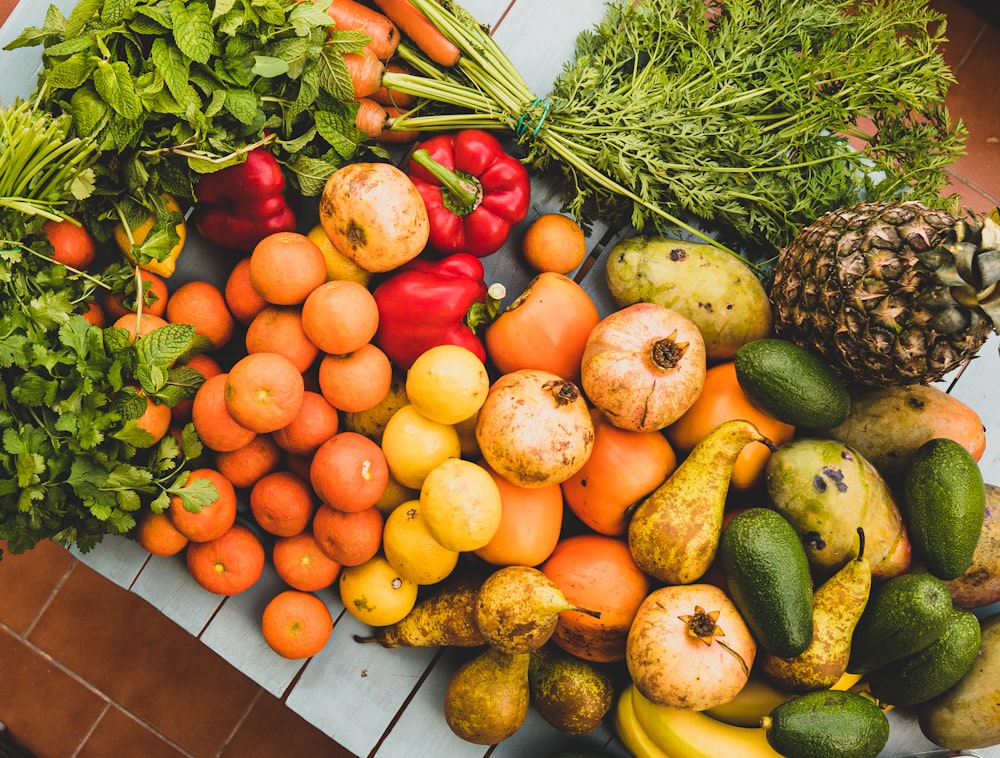
The full rainbow — leafy greens, broccoli, cauliflower, zucchini, peppers, tomatoes, mushrooms, cabbage.
-
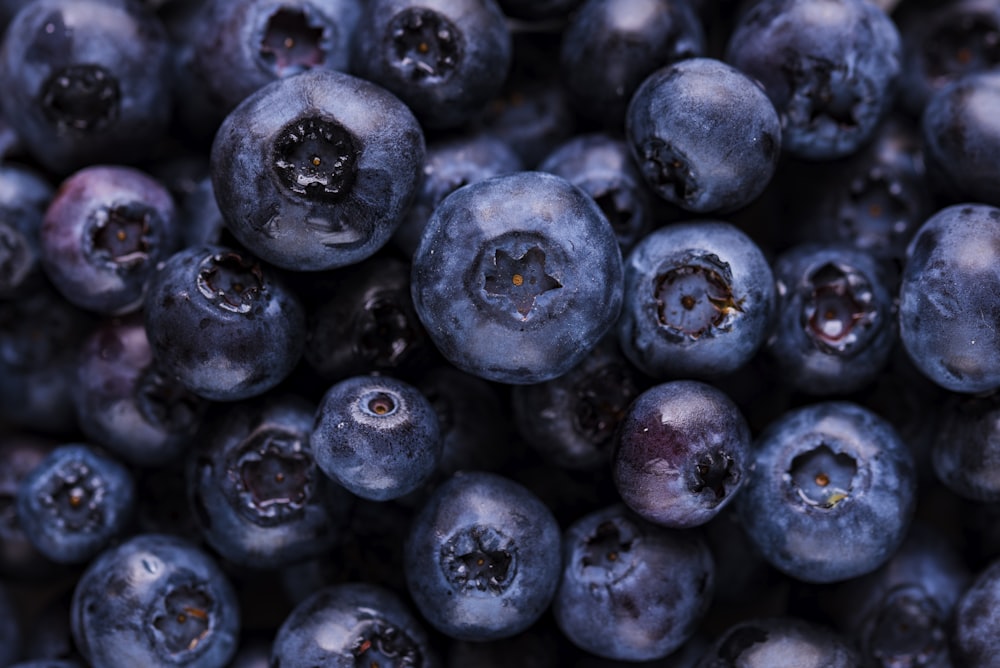
Fiber
Chia, flax, lentils, beans (small portions), psyllium; small portions of whole grains if they suit you.
-
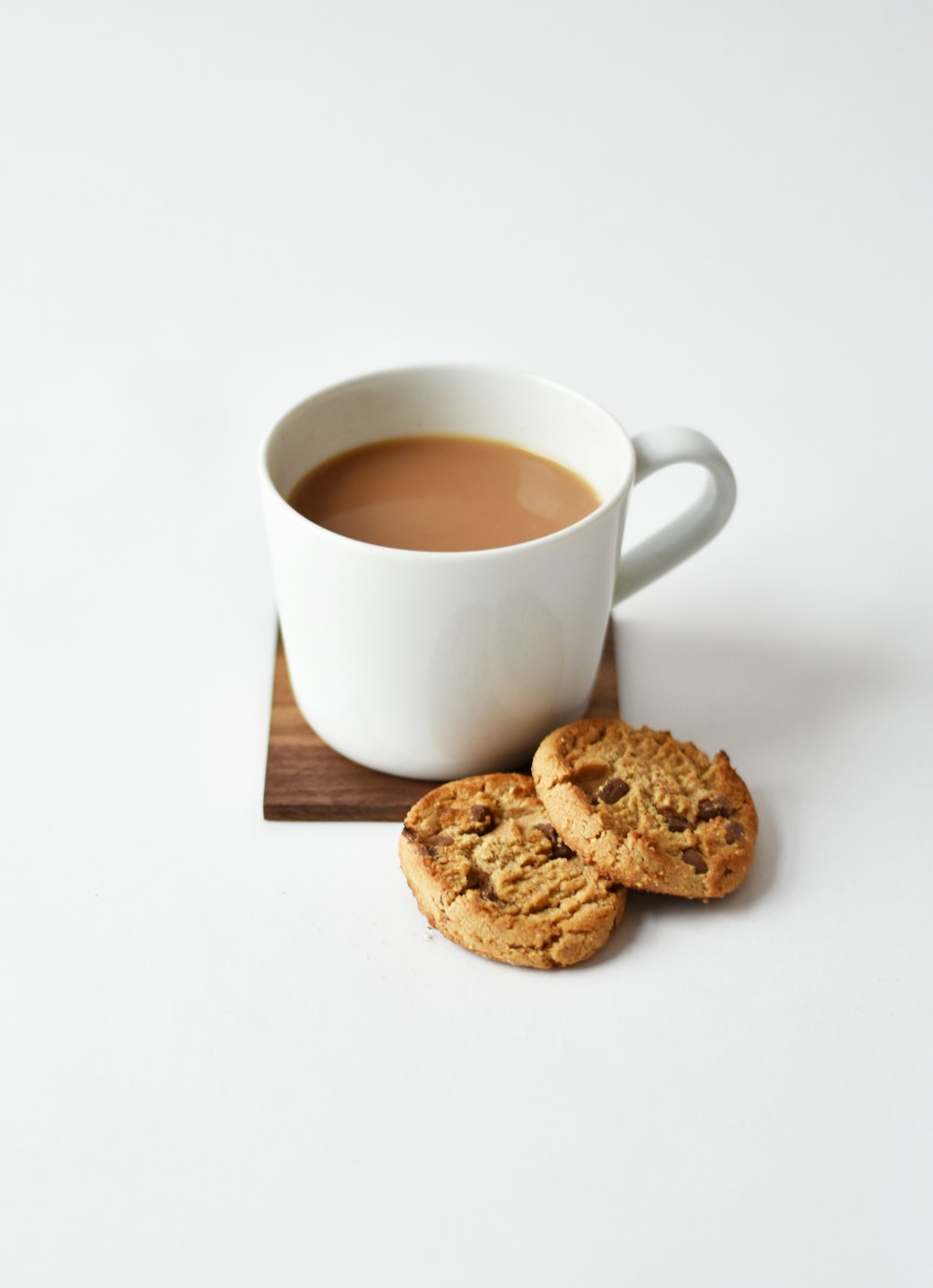
Beverages
Water (most of what you drink), plain tea, black coffee.
Foods to avoid or limit
- Added sugar in any form.
- Refined grains and ultra-processed foods.
- Most fruit; small portions of berries are the safest choice.
- Industrial seed oils (sunflower, corn, soybean) and deep-fried food.
- Excess alcohol.
Sample day
| Breakfast | 2–3 eggs scrambled with spinach and tomatoes; a few olives; coffee or tea. |
|---|---|
| Mid-morning | A small handful of nuts, or just water — eat only if hungry. |
| Lunch | A big salad bowl with grilled protein (chicken, fish, paneer, or tofu), mixed greens, vegetables, olive oil, lemon. |
| Snack | Greek yogurt with a teaspoon of chia, or carrot and cucumber sticks with hummus. |
| Dinner | Grilled fish or chicken (or paneer) with sautéed seasonal vegetables in olive oil; a small green salad on the side. |
Notes
- Don't fear fat. Fear sugar. This single mental shift drives most of what's different about this approach versus mainstream "low-fat" advice.
- Cook at home most days. It's the cheapest, most reliable lever for eating well.
- Move daily. Walking, strength training, or any activity you'll actually do consistently beats whatever you "should" be doing.
- Sleep matters as much as food. Poor sleep wrecks appetite, blood sugar, and willpower; protect 7–8 hours.