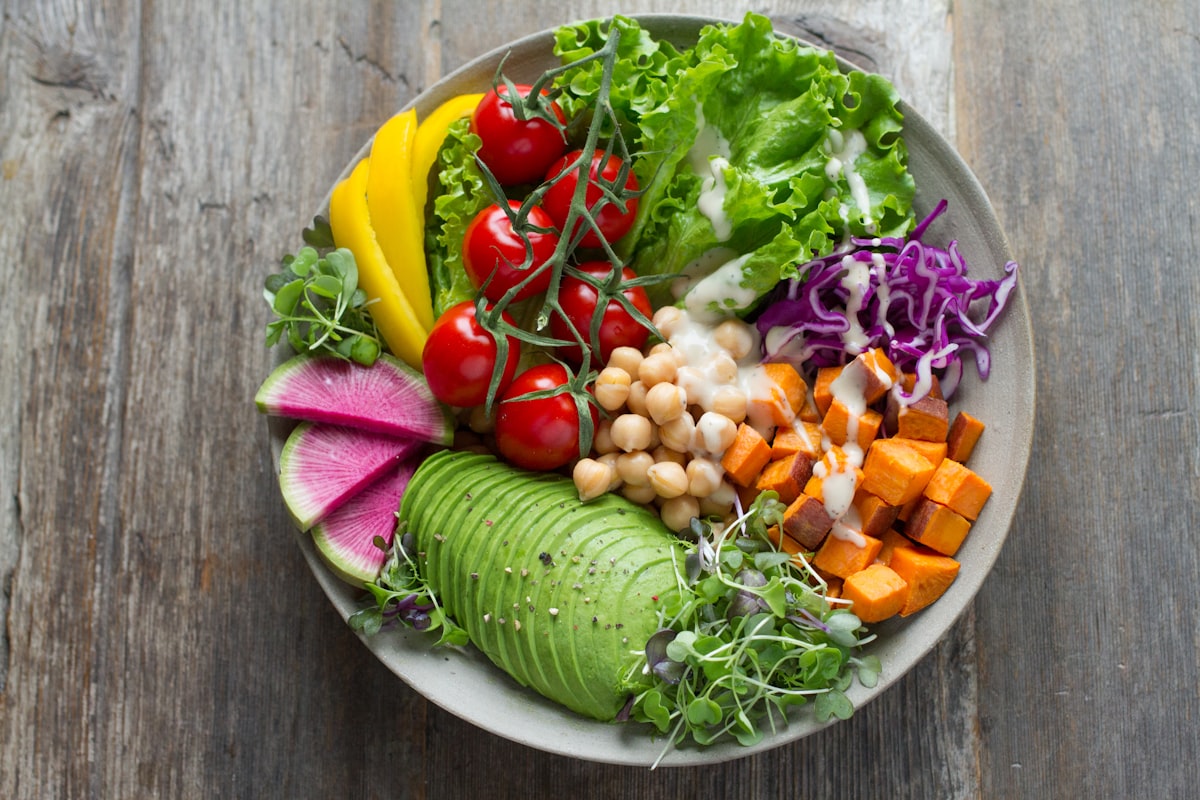
Why this approach
Type 2 diabetes is, at its core, a disease of carbohydrate intolerance. Cutting refined carbs, sugar, and most fruit reduces glucose load directly. Protein and fat at every meal blunt remaining spikes, and high-fiber, low-GI vegetables feed the gut without flooding the bloodstream with glucose.
Core principles
- Glycemic load comes firstCount what raises blood sugar (carbs), not just calories.
- Protein at every meal25–40g per meal stabilizes appetite and protects muscle.
- Healthy fats are friendsThey don't raise glucose and they keep you full.
- Vegetables fill the plateHalf the plate, every meal, from the low-GI list.
- Skip the fruit, especially juiceEven "healthy" smoothies spike glucose hard.
Foods to enjoy
-
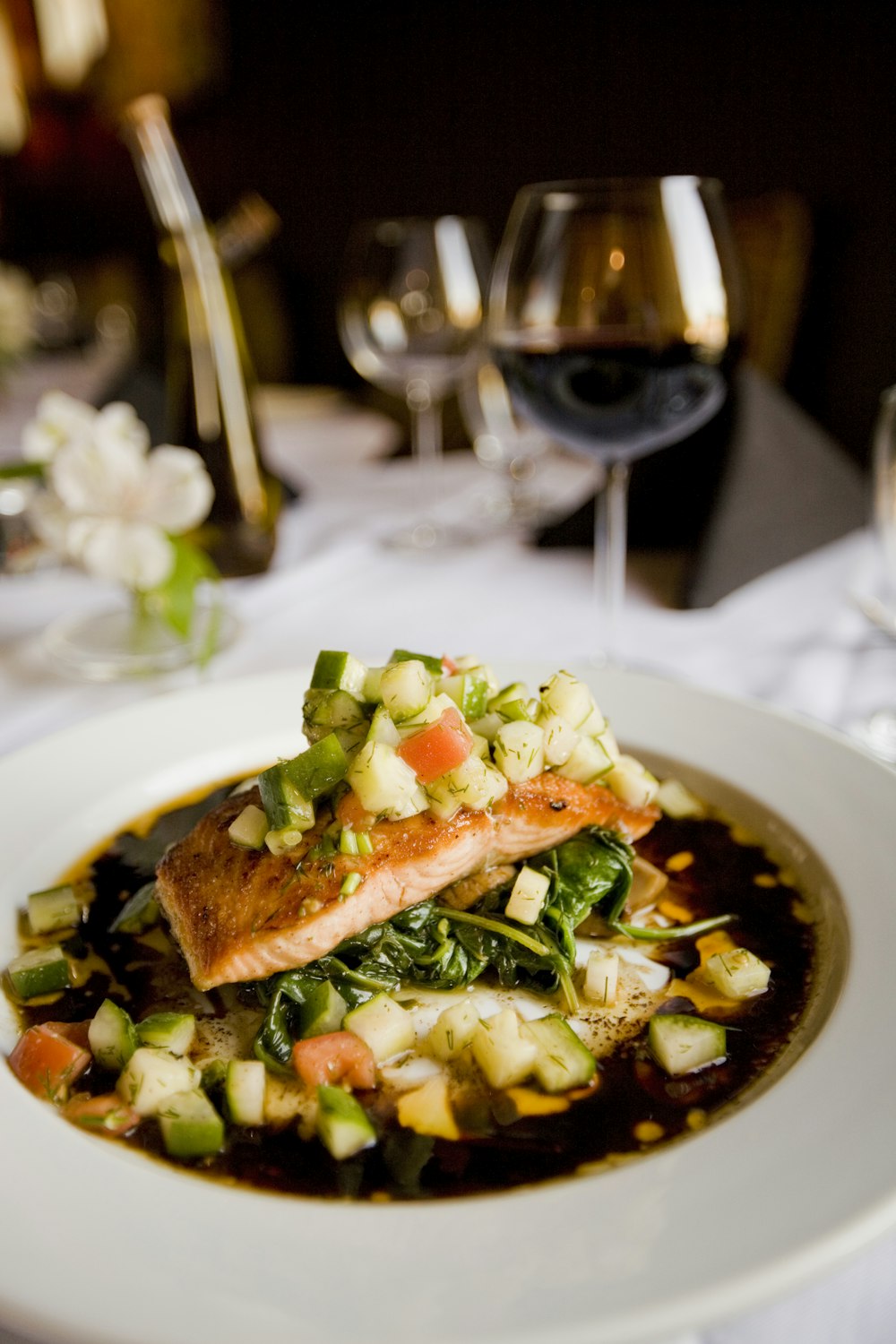
Proteins
Eggs, salmon, sardines, mackerel, chicken, lean beef, tofu, paneer, unsweetened Greek yogurt.
-
Healthy fats
Olive oil, ghee (sparingly), avocado, almonds, walnuts, chia and flax seeds.
-
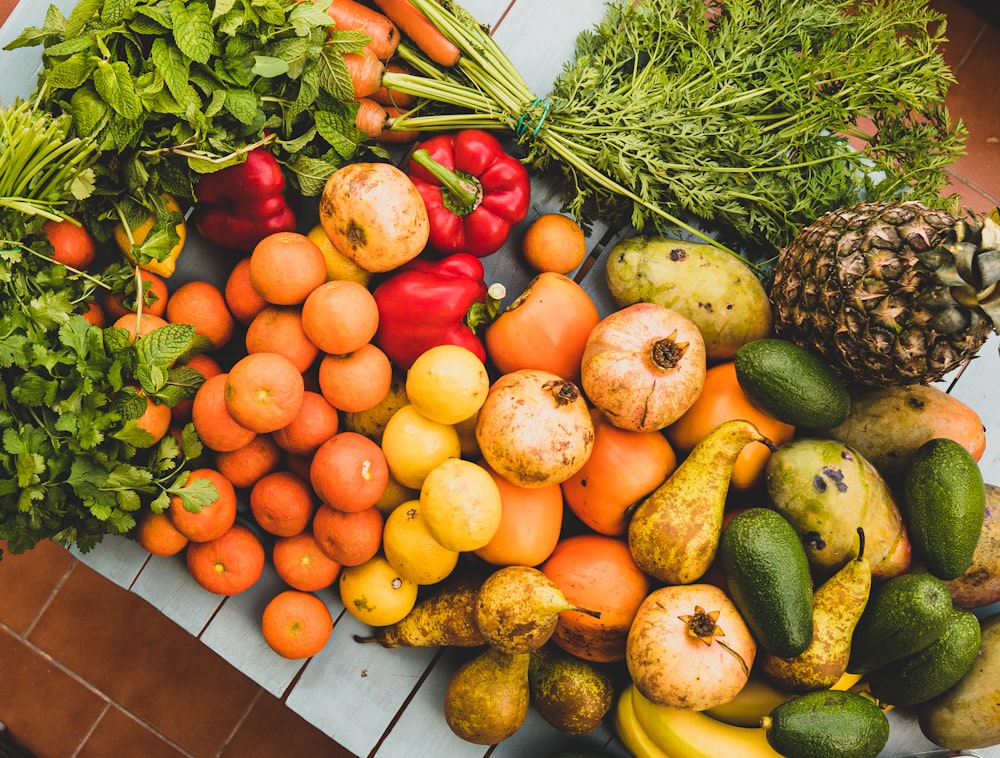
Low-GI vegetables
Spinach, kale, broccoli, cauliflower, zucchini, peppers, mushrooms, cabbage, asparagus, green beans.
-
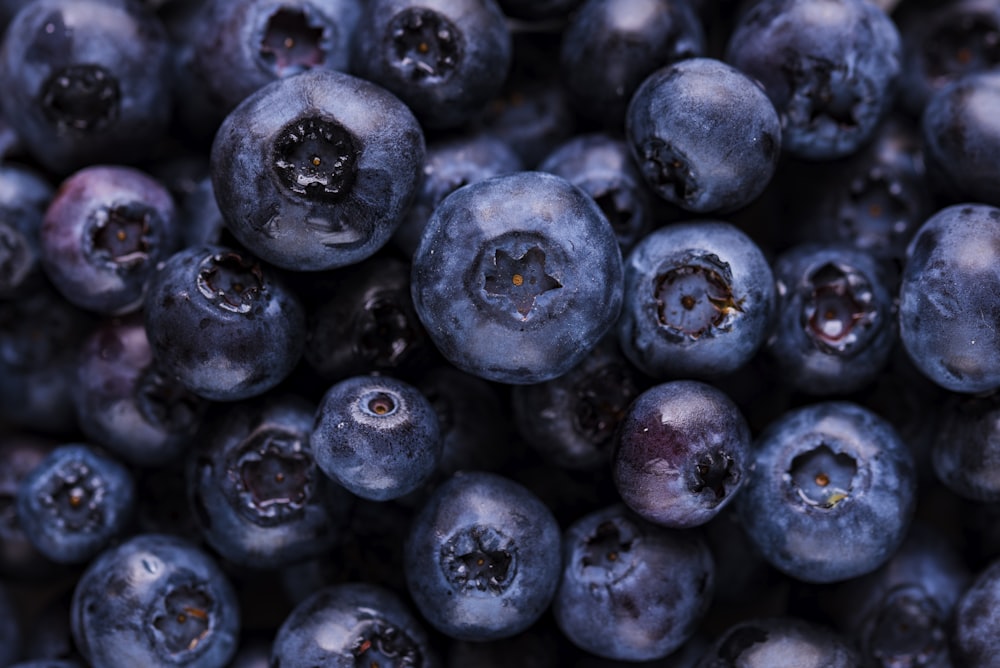
Fiber
Lentils (small portions), chia seeds, flax, psyllium husk.
-
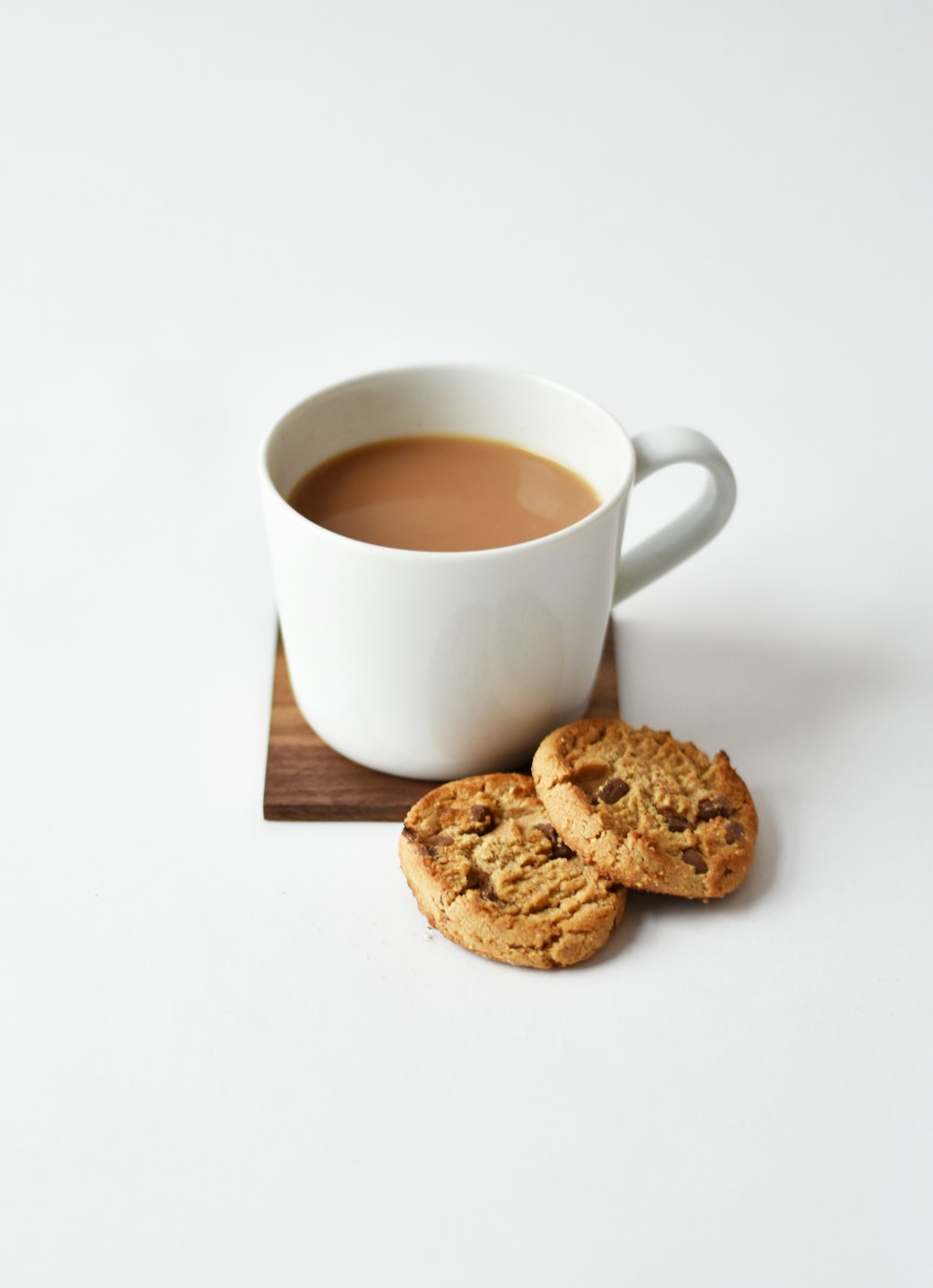
Beverages
Water, sparkling water, black coffee, unsweetened tea (green and cinnamon are great).
Foods to avoid or limit
- All sugar, sweets, desserts, and sweetened drinks (including fruit juice).
- Refined grains: white rice, white bread, pasta, noodles, pastries.
- Most fruit, especially tropical (mango, banana, grapes) and dried fruit.
- Starchy vegetables in large portions (potatoes, sweet corn).
- Ultra-processed snack foods, even "low-fat" or "diet" versions.
Sample day
| Breakfast | 3-egg omelette with spinach, mushrooms, and a slice of avocado. Black coffee. |
|---|---|
| Mid-morning | Small handful of almonds (about 15) and a glass of water. |
| Lunch | Grilled chicken or paneer over a large mixed salad (greens, cucumber, peppers, olives) dressed with olive oil and lemon. |
| Snack | Greek yogurt (unsweetened, full-fat) with a teaspoon of chia seeds. |
| Dinner | Baked salmon (or tofu) with sautéed broccoli and zucchini cooked in olive oil. |
Notes
- Test your response. A glucose meter shows you which "safe" foods spike your blood sugar. Two people respond differently to the same meal.
- Hydrate. 2–3 litres of water a day; thirst can masquerade as hunger.
- Coordinate with your doctor. If you take insulin or sulfonylureas, lowering carbs aggressively can cause low blood sugar — medication doses often need to come down. Do not change medication on your own.